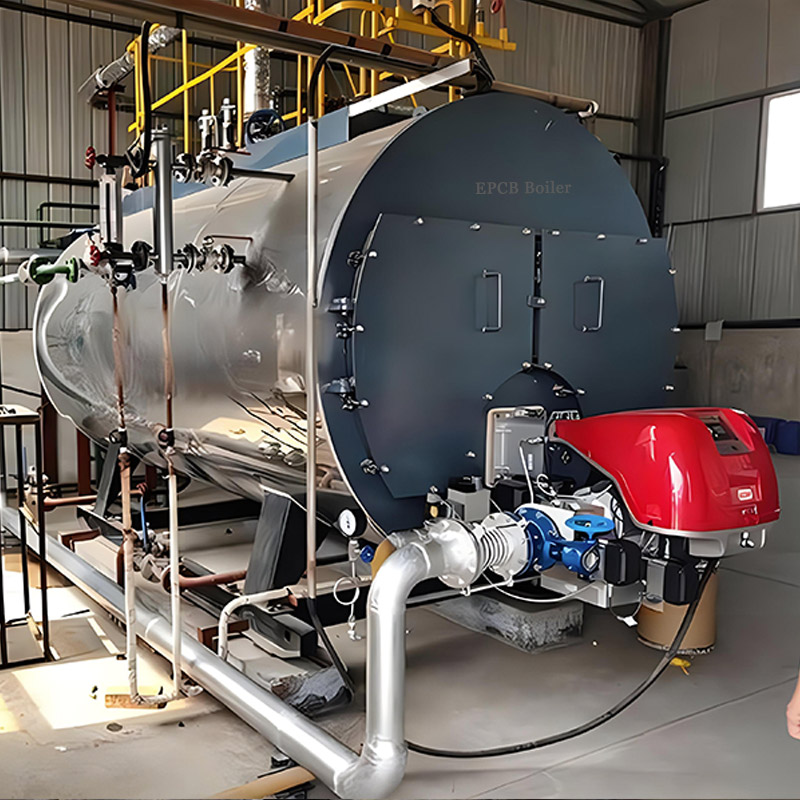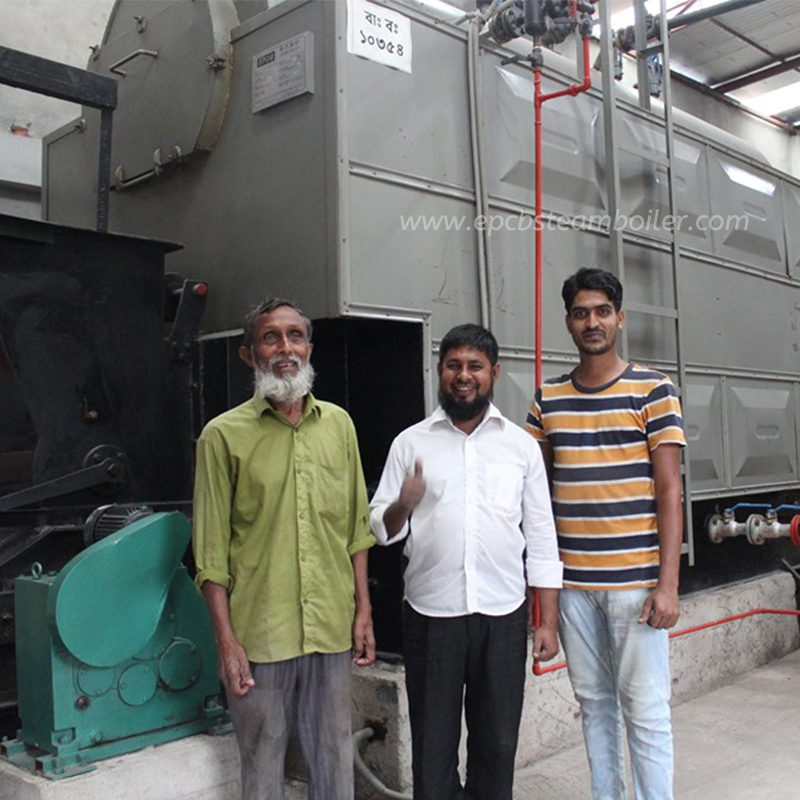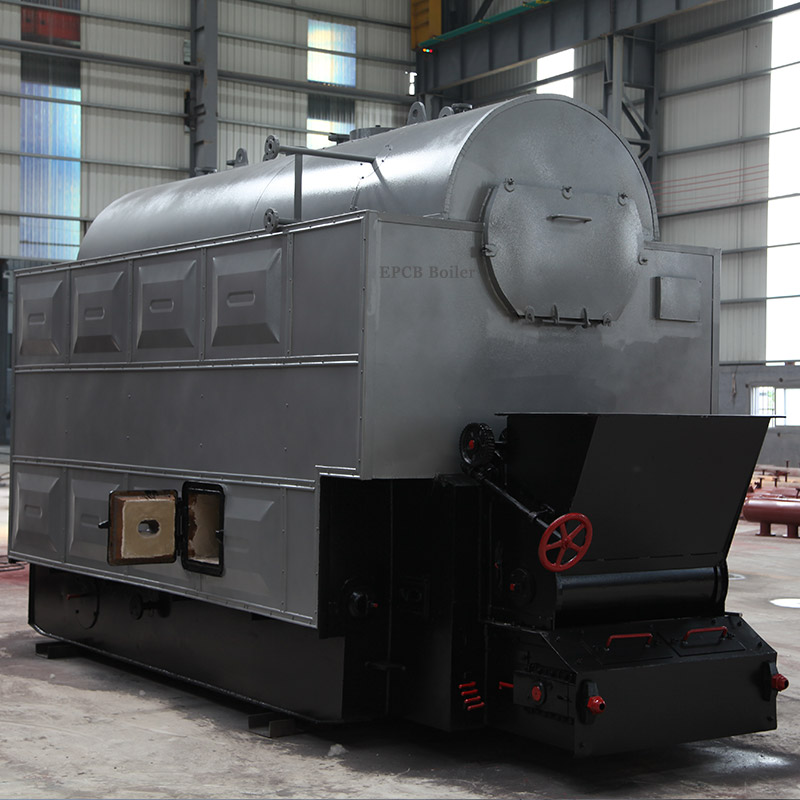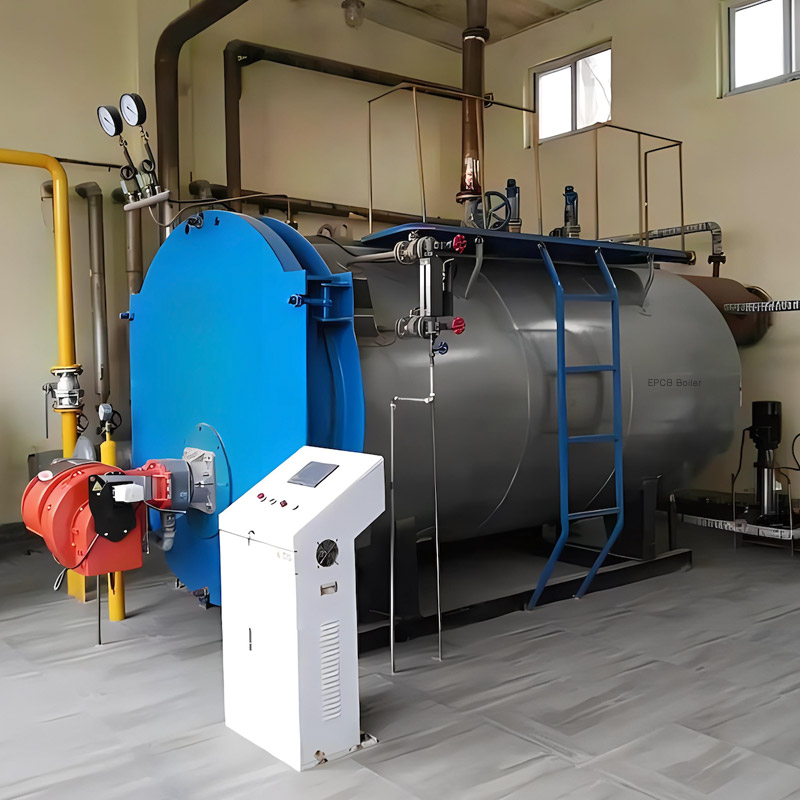
Boilers play a key role in industrial production, providing stable thermal energy support for various production lines and ensuring the continuity and efficiency of the production process. In daily life, boilers also play the important role of heating and hot water supply, bringing comfort and convenience to people’s lives. However, as a high-temperature and high-pressure equipment, the safety of the boiler is crucial. Therefore, annual boiler inspections have become essential. Through annual boiler inspections, potential problems of the boiler can be discovered and solved in time, ensuring the safe operation of the equipment, extending the service life, while improving energy efficiency and reducing operating costs. This is not only a guarantee for industrial production, but also a responsibility for the safety of people’s lives and property.
As a professional boiler manufacturer and supplier with rich experience, EPCB Boiler has significant advantages in boiler inspection to ensure the safe and efficient operation of equipment. Through a systematic annual inspection process, EPCB Boiler can promptly discover and solve potential boiler problems, ensuring the long-term stability and reliability of the equipment. This article will give you a detailed introduction to the contents of annual boiler inspections from the definition and purpose of annual boiler inspections, main benefits, as well as the process and precautions of annual boiler inspections.
1.What are Annual Boiler Inspections?
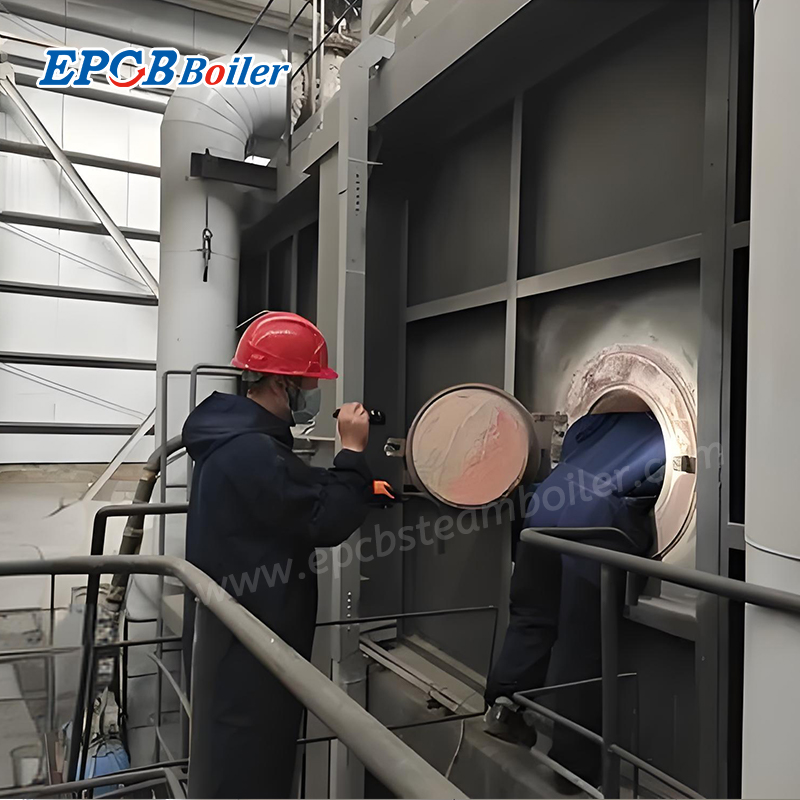
Annual boiler inspections are thorough and systematic safety assessment conducted in a year on your boiler. the comprehensive boiler inspections cover all components of the boiler, including but not limited to the boiler body, safety accessories, control systems, and combustion equipment. The goal is to ensure the boiler operates safely and efficiently under specified working conditions.
The core goal of annual boiler inspections is to ensure the safe and efficient operation of your boiler and to prevent possible accidents. Below is a detailed description of its main purpose:
1.1 Ensure the Safe Operation of the Industrial Boiler
Check and repair potential safety hazards, such as corrosion, cracks, leaks, etc., to prevent safety accidents.
Verify safety accessories to ensure they are sensitive and reliable and can respond quickly in emergencies to ensure the safety of personnel and equipment.
1.2 Ensure the Efficient Operation of the Industrial Boiler
Discover and repair factors that affect boiler efficiency, such as insufficient combustion, heat loss, etc., thereby improving the energy efficiency of the boiler.
Debugging and calibrating the control system to ensure that it can accurately control the boiler’s operating parameters and improve the boiler’s automation level and operating efficiency.
1.3 Prevent Accidents
Through comprehensive and systematic inspection and evaluation, promptly discover and solve problems and hidden dangers in the boiler to prevent accidents.
Ensure the safety of personnel and equipment and avoid economic losses and social impacts caused by accidents.
Annual boiler inspections are a critical measure to ensure the smooth progress of industrial production and daily life, providing vital benefits such as maintaining equipment safety, improving energy utilization efficiency, and reducing operating costs. EPCB Boilers is committed to delivering top-notch inspection services, ensuring that each boiler operates safely and efficiently. By conducting thorough and systematic safety assessments, EPCB Boilers helps identify and mitigate potential risks, optimize boiler performance, and enhance overall operational reliability. Trust EPCB Boilers to safeguard your operations and enhance the longevity and efficiency of your boiler systems.
Ask for Boiler Solution Suited Your Condition
2. What are Key Benefits of Annual Boiler Inspections?
Annual boiler inspections have many benefits, ranging from safety, efficiency, economics and regulatory compliance. Here are the key benefits of an annual boiler inspection:
2.1 Keep Industrial Boiler Safe
Accident Prevention: Discover potential safety hazards such as cracks, corrosion, etc., and prevent serious accidents such as explosions or fires.
Maintain safety performance: Ensure the normal operation of safety accessories and ensure the safety of the overall system.
2.2 Improve Efficiency
Optimize combustion efficiency: Ensure complete combustion of fuel, reduce fuel waste, and improve thermal efficiency.
Reduce energy consumption: Reduce energy consumption and operating costs by cleaning carbon deposits, adjusting burners and other measures.
2.3 Extended Service Life
Prevents Wear and Corrosion: Reduces wear and tear on internal components of the boiler, extending the life of the equipment.
2.4 Early Problem Detection:
Discover and solve small problems early to avoid maintenance costs caused by major failures.
Planned Maintenance: Reduce economic losses caused by downtime.
2.5 Regulatory compliance
Legal Compliance: Ensure compliance with strict regulatory requirements to avoid fines or other penalties.
Ensure insurance validity: Ensure that the boiler meets the requirements of the insurance company and ensure the validity of the insurance contract.
2.6 Improve Environmental Impact
Reducing emissions: Ensure emissions comply with environmental standards, reduce pollutant emissions, and protect the environment.
Annual boiler inspections not only ensure safe operation, improve efficiency, and extend equipment life, but they also reduce maintenance costs, ensure legal compliance, and minimize environmental impact. EPCB Boilers is dedicated to providing these essential inspections, helping you maintain a reliable and economical boiler system. With EPCB Boilers, you can trust in our expertise to safeguard your operations, enhance performance, and comply with all regulatory standards, ultimately ensuring a sustainable and efficient future for your boiler systems.
3. What are Annual Boiler Inspection Procedures?
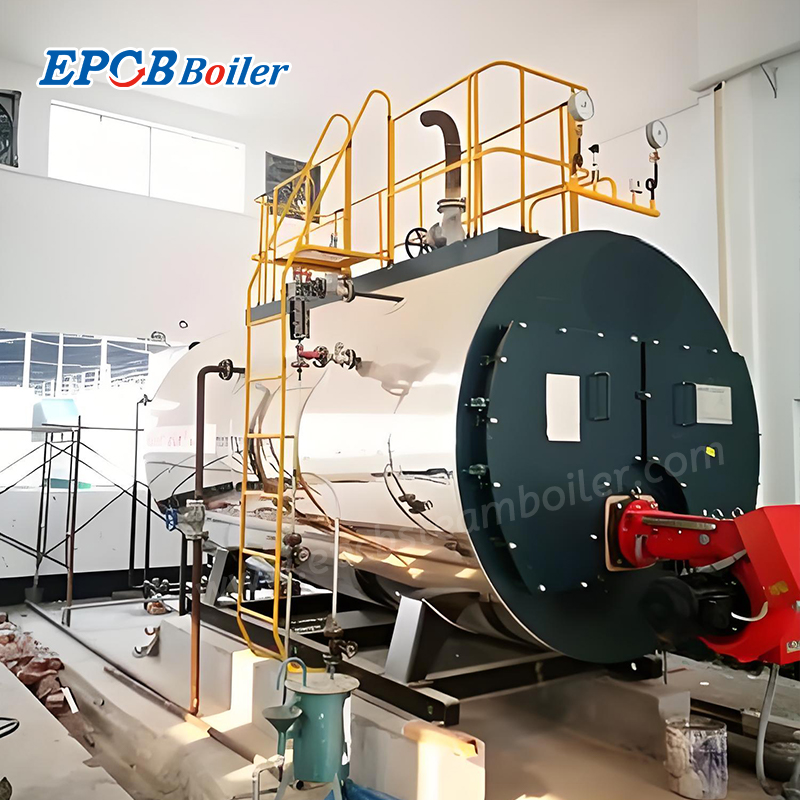
Annual boiler inspections are a critical step in ensuring your boiler is operating safely and working efficiently. Here are the procedures and considerations for annual boiler inspections:
3.1 Preparation
Notify relevant personnel in advance to determine the date and time of the inspection.
Stop the machine and gradually reduce the pressure to ensure that the internal pressure of the boiler reaches a safe range.
Wait for the boiler to cool down to a safe temperature to prevent burns during inspection.
3.2 External Inspection
Check the outside of the boiler for corrosion, water leakage and other abnormalities.
Check and calibrate the safety valve and pressure gauge to ensure they are working properly.
3.3 Internal Inspection
Open all necessary manholes and hand holes to facilitate internal inspection.
Clean scale and deposits inside the boiler, especially the heating surfaces and water circulation system.
Carefully inspect heating surfaces and welds to look for defects such as cracks and corrosion.
Check the ash accumulation and combustion conditions in the furnace and flue, clean the flue, and check the combustion system.
3.4 Attachment Check
Check the boiler accessories, including water supply equipment, burners, fans and control systems, to ensure that everything is working properly.
Check the operation of water quality treatment equipment to ensure that the water quality meets the requirements.
3.5 Functional Testing
Test whether the safety valve is sensitive and recalibrate or replace if necessary.
Test the boiler’s automatic control system and protection devices to ensure their reliability.
3.6 Comprehensive Assessment and Recording
Summarize the problems found during the inspection and assess the overall condition of the boiler.
Record the inspection results and measures taken in detail to provide reference for subsequent maintenance.
Annual boiler inspections are a critical step in ensuring your boiler is operating safely and working efficiently. By following a detailed procedure that includes preparation, external and internal inspections, attachment checks, functional testing, and comprehensive assessment, you can identify and address potential issues before they escalate. EPCB Boilers is dedicated to providing thorough and professional inspection services. Our meticulous approach ensures that every aspect of your boiler system is evaluated and optimized, guaranteeing safety, efficiency, and reliability. Trust EPCB Boilers to maintain the highest standards for your boiler, ensuring its optimal performance and longevity.
4. What are Precautions for Annual Boiler Inspections?
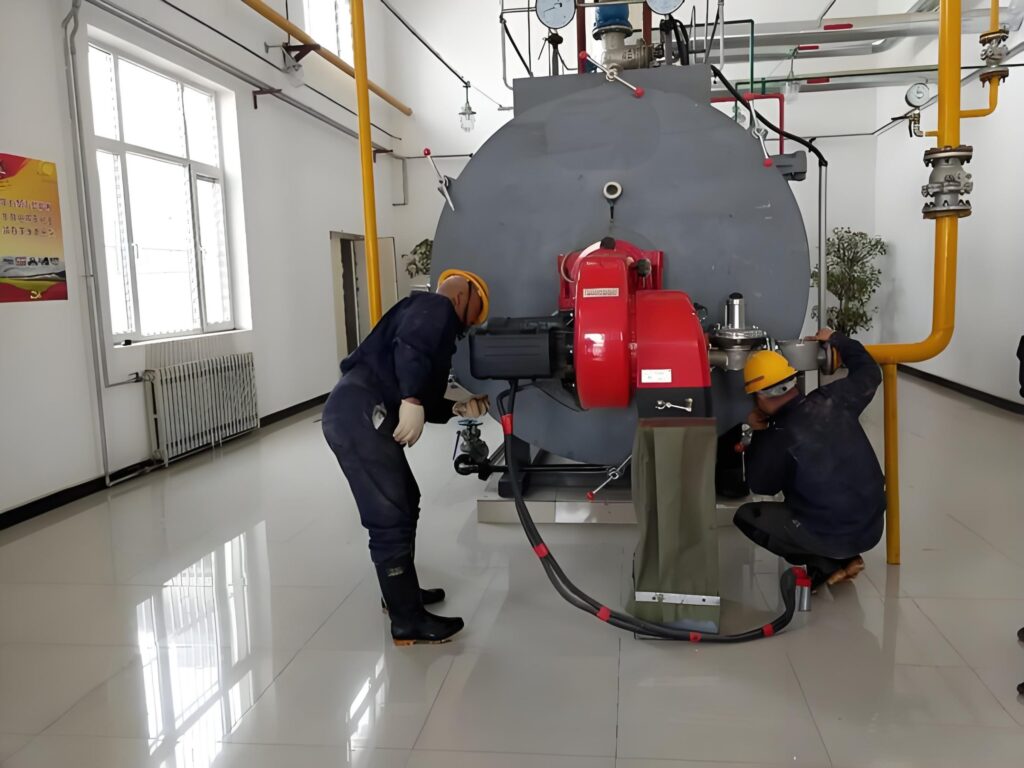
Annual boiler inspections are critical for ensuring the safety, efficiency, and longevity of the boiler system. Here are key precautions and steps to take during the inspection:
4.1 Preparation and Planning
Schedule Inspection: Plan the inspection during a period of low demand to minimize disruption.
Inform Personnel: Notify all relevant staff about the inspection schedule and procedures.
Review Documentation: Gather and review the boiler’s operational logs, maintenance records, and past inspection reports.
4.2 Safety Measures
Shut Down Boiler: Ensure the boiler is turned off and properly cooled before starting the inspection.
Lockout/Tagout (LOTO): Implement lockout/tagout procedures to ensure the boiler cannot be accidentally turned on during the inspection.
Ventilation: Ensure proper ventilation in the boiler room to avoid accumulation of hazardous gases.
Personal Protective Equipment (PPE): Inspectors should wear appropriate PPE, such as gloves, safety glasses, and protective clothing.
4.3 Internal Inspection
Cooling Down: Ensure the boiler is adequately cooled down to avoid burns or heat stress.
Drain Water: Completely drain the boiler to prevent any hot water or steam release.
Remove Access Covers: Carefully remove all access covers to inspect the internal components.
Check for Deposits and Corrosion: Inspect for any signs of scaling, corrosion, or deposits that may affect boiler efficiency.
Examine Tubes and Pipes: Check the boiler tubes, pipes, and connections for any signs of wear, corrosion, or damage.
Inspect Seals and Gaskets: Ensure seals and gaskets are intact and not deteriorating.
4.4 External Inspection
Check for Leaks: Inspect the exterior for any signs of water or steam leaks.
Inspect Safety Valves: Test safety valves to ensure they are functioning correctly.
Examine Pressure Gauges: Ensure pressure gauges are accurate and functioning properly.
Check Insulation: Verify that all insulation is in good condition and properly installed.
4.5 Operational Tests
Controls and Safety Devices: Test all control systems and safety devices, including pressure relief valves, water level indicators, and emergency shut-offs.
Fuel System: Inspect and test the fuel supply system, burners, and combustion controls.
Efficiency Testing: Conduct efficiency tests to ensure the boiler is operating optimally.
4.6 Documentation and Reporting
Record Findings: Document all findings, including any issues detected and corrective actions taken.
Update Maintenance Logs: Ensure all inspection details are logged in the maintenance records.
Compliance: Verify that all inspection procedures comply with local regulations and standards.
4.7 Post-Inspection Actions
Address Issues: Promptly address any issues identified during the inspection.
Clean Up: Ensure the boiler and surrounding area are cleaned and any debris is removed.
Reassemble and Test: Reassemble the boiler components and conduct a test run to ensure everything is functioning correctly before returning to regular operation.
4.8 Continuous Monitoring:
Routine Checks: Implement a schedule for routine checks between annual inspections to catch potential issues early.
Training: Ensure staff are trained to recognize early signs of boiler issues and understand basic maintenance procedures.
Annual boiler inspections need to be carried out in strict accordance with the process, and attention should be paid to maintaining safety and environmental awareness to ensure the accuracy and effectiveness of the inspection. EPCB Boiler is dedicated to upholding these high standards in every inspection we perform. Our comprehensive approach ensures that all safety measures are strictly followed, potential issues are promptly addressed, and detailed documentation is maintained. With EPCB Boilers, you can trust that your boiler system will operate safely, efficiently, and reliably, providing peace of mind and optimal performance throughout the year.
Ask for Boiler Solution Suited Your Condition
5. Conclusion
Annual boiler inspections are important to ensure the safe and efficient operation of your boiler. Through systematic and comprehensive inspections, potential problems can be discovered and repaired in time, preventing accidents and ensuring the safety of operators. In addition, regular inspections can help optimize boiler performance, improve energy efficiency, and extend equipment service life, thereby reducing a company’s operating costs.
As an industry-leading boiler manufacturer, EPCB Boiler has always advocated companies to pay attention to and conduct regular boiler inspections. We know that only through strict inspection and maintenance can we ensure the long-term stable operation of the boiler system. We are committed to providing customers with professional technical support and services to help them achieve safe and efficient operation of boilers and minimize operational risks and costs.
In short, annual boiler inspection is not only a requirement of laws and regulations, but also a key measure to ensure production safety and improve economic efficiency. EPCB Boiler calls on all companies to attach great importance to boiler inspections and regularly arrange for professionals to conduct detailed inspections and maintenance to ensure optimal performance and operational safety of the equipment.